

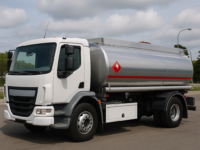
Fuel stored for weeks, months, or years is continuously changing. Oxidation, water intrusion, microbial growth, and sediment accumulation gradually reduce fuel quality—even in tanks that remain sealed. Without a structured testing program, these changes often go unnoticed until equipment performance suffers or fuel no longer meets operational requirements.
The ideal testing frequency depends on several variables, including fuel type, storage duration, environmental conditions, tank design, turnover rate, and the criticality of the equipment being supplied.
Emergency generators, healthcare facilities, utilities, and industrial operations typically require more proactive monitoring because fuel reliability directly affects business continuity.
Rather than relying on fixed schedules alone, organizations develop testing intervals based on equipment criticality, storage conditions, and historical laboratory trends. Routine laboratory analysis provides objective data that allows maintenance teams to identify degradation long before it results in costly operational problems. A comprehensive fuel testing program typically evaluates:
- Water contamination
- Microbial contamination
- Oxidation stability
- Sediment and particulate contamination
- Compliance with applicable fuel quality specifications
Trending these results over time provides greater value than any single test. Historical data helps maintenance teams determine whether fuel quality is stable or beginning to deteriorate, allowing corrective action before contamination reaches unacceptable levels.
Testing can also reduce unnecessary fuel replacement. Many companies assume stored fuel has exceeded its useful life based solely on age, when laboratory analysis may show the fuel remains fully serviceable.
On the other hand, relatively new fuel can degrade quickly if storage conditions deteriorate.
For organizations that depend on standby power, backup generators, or long-term fuel reserves, routine laboratory testing transforms fuel management from a reactive process into ongoing condition monitoring.
By identifying problems early, organizations can extend fuel life, reduce operating costs, improve equipment reliability, and maintain confidence that critical systems will perform when they are most needed. To learn more or to schedule Fuel Testing, visit: http://testoil.com/services/fuel-analysis/ call 216-251-2510;or email testoil-sales@et.eurofinsus.com.
With more than 30 years of experience in the oil analysis industry, Eurofins TestOil focuses exclusively on assisting industrial facilities with reducing maintenance costs and avoiding unexpected downtime through oil and fuel analysis program implementation. As industry experts in diagnosing oil-related issues in equipment such as turbines, hydraulics, gearboxes, pumps, compressors and diesel generators, Eurofins TestOil provides customers with same-day turnaround on routine oil analysis testing.
About Eurofins – the global leader in bio-analysis
Eurofins is Testing for Life. Eurofins is the global leader in food, environment, pharmaceutical and cosmetic product testing, and in discovery pharmacology, forensics, advanced material sciences and agroscience Contract Research services. Eurofins is also a market leader in certain testing and laboratory services for genomics, and in the support of clinical studies, as well as in BioPharma Contract Development and Manufacturing. The Group also has a rapidly developing presence in highly specialised and molecular clinical diagnostic testing and in-vitro diagnostic products.
With over 61,000 staff across a network of 940 laboratories in 59 countries, Eurofins’ companies offer a portfolio of over 200,000 analytical methods. Eurofins Shares are listed on Euronext Paris Stock Exchange.
