

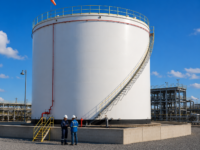
Fuel contamination rarely causes immediate failure. Instead, it gradually affects system performance while increasing maintenance costs, reducing equipment reliability, and shortening component life. By the time contamination becomes obvious, the total cost often extends well beyond replacing degraded fuel.
Water is one of the most common contaminants found in long-term storage tanks. Even small amounts create conditions that support microbial growth, corrosion, and oxidation. As microbial populations expand, they generate biomass, sludge, and organic acids that clog filters, foul injectors, accelerate corrosion, and increase wear throughout the fuel system. The financial impact extends across the entire operation. Fuel contamination can result in:
- Unplanned equipment downtime
- Increased filter replacement and maintenance costs
- Injector and fuel system repairs
- Corrosion damage to tanks and distribution systems
- Reduced fuel efficiency and engine performance
- Premature fuel disposal and replacement
- Lost productivity and business interruption
For facilities that rely on emergency power systems, the risks become even greater. Backup generators are expected to operate immediately during utility outages, yet contaminated fuel remains a common cause of generator reliability issues. A failure during an emergency can interrupt operations, compromise safety, and expose organizations to significant financial losses.
Routine laboratory fuel testing provides early warning of contamination before damage occurs. By monitoring indicators such as water content, microbial activity, oxidation stability, particulate contamination, and overall fuel condition, organizations can implement targeted corrective actions while problems remain manageable.
The result is a more cost-effective fuel management strategy. Instead of reacting to unexpected failures, maintenance teams gain the information needed to schedule filtration, polishing, biocide treatment, water removal, or other corrective measures based on actual fuel condition.
For organizations managing long-term fuel storage, laboratory analysis is not simply a maintenance expense—it is an investment in equipment reliability, operational continuity, and the protection of critical assets. Early detection of contamination helps reduce lifecycle costs while ensuring stored fuel is ready to perform whenever it is needed.
To learn more or to schedule Fuel Testing, visit: http://testoil.com/services/fuel-analysis/ call 216-251-2510;or email testoil-sales@et.eurofinsus.com.
With more than 30 years of experience in the oil analysis industry, Eurofins TestOil focuses exclusively on assisting industrial facilities with reducing maintenance costs and avoiding unexpected downtime through oil and fuel analysis program implementation. As industry experts in diagnosing oil-related issues in equipment such as turbines, hydraulics, gearboxes, pumps, compressors and diesel generators, Eurofins TestOil provides customers with same-day turnaround on routine oil analysis testing.
About Eurofins – the global leader in bio-analysis
Eurofins is Testing for Life. Eurofins is the global leader in food, environment, pharmaceutical and cosmetic product testing, and in discovery pharmacology, forensics, advanced material sciences and agroscience Contract Research services. Eurofins is also a market leader in certain testing and laboratory services for genomics, and in the support of clinical studies, as well as in BioPharma Contract Development and Manufacturing. The Group also has a rapidly developing presence in highly specialised and molecular clinical diagnostic testing and in-vitro diagnostic products.
With over 61,000 staff across a network of 940 laboratories in 59 countries, Eurofins’ companies offer a portfolio of over 200,000 analytical methods. Eurofins Shares are listed on Euronext Paris Stock Exchange.
